
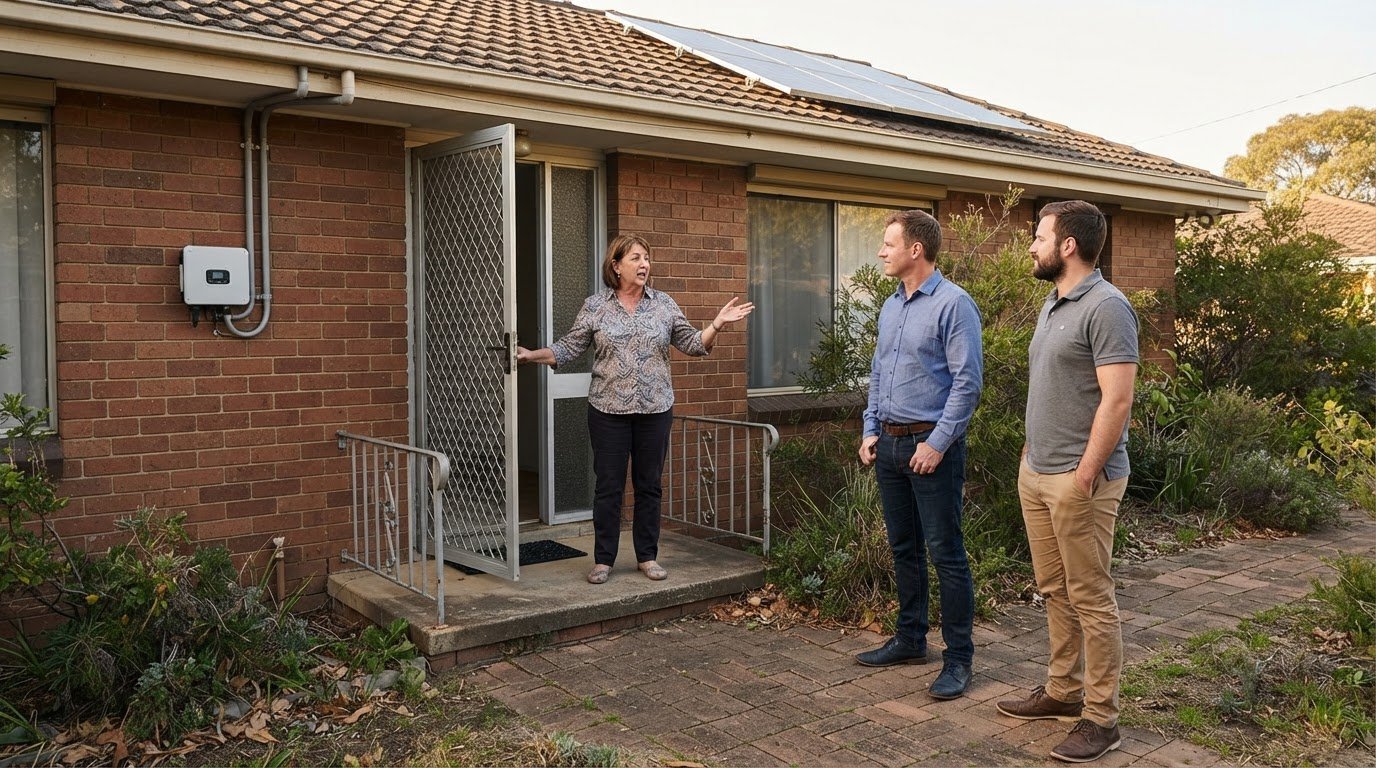
How to Choose Whether to Email, Call, or Visit a Cold Lead
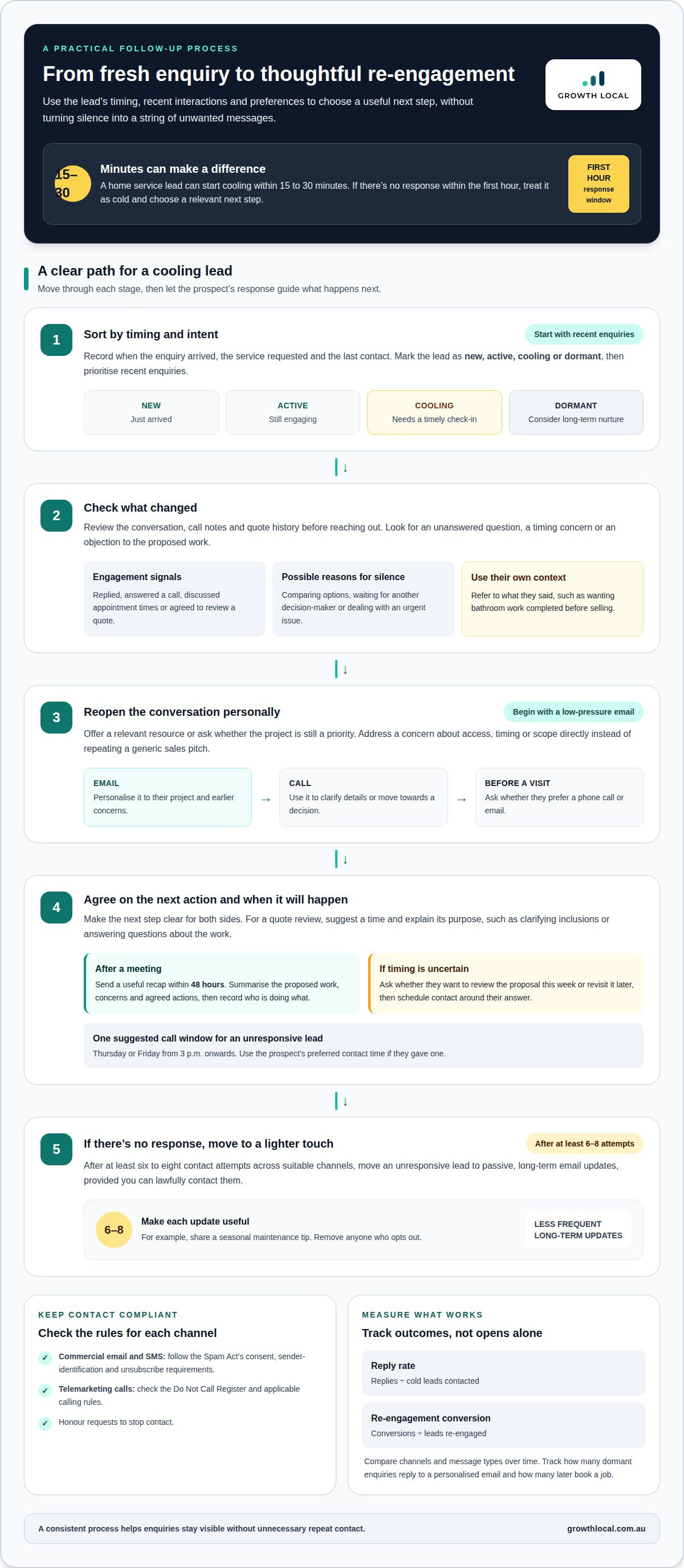
The best follow-up isn’t always another phone call. Knowing what to do when a lead goes cold starts with timing: a home service lead can begin to cool within 15 to 30 minutes, and it’s cold if you haven’t responded within the first hour.
It’s frustrating when someone asks for a quote and then goes quiet. They may be weighing up options, handling other priorities or unsure what to do next, so repeated calls or a generic email can miss the mark.
Start with a personalised email to reopen the conversation and gauge their interest. Call if you need to clarify details or move towards a decision. Before arranging a visit, ask whether they’d prefer a phone call or email, then agree on a clear next step.
This guide explains how to spot a cooling lead, consider why they’ve disengaged and choose a sensible follow-up channel and timing. You’ll also learn how a consistent process can keep enquiries from slipping through the cracks without turning every quiet prospect into a string of unwanted messages.
Key Takeaways
- Sort quiet enquiries by their last interaction, level of interest and likely timeline so your next message fits the situation.
- Use a relevant, personal follow-up that acknowledges the prospect’s priorities or earlier concerns, rather than sending a generic sales pitch.
- Build a steady contact sequence across suitable channels, then move unresponsive prospects to less frequent updates.
- End each conversation by agreeing on the next action and when it will happen, including after proposal reviews.
- Reduce decision fatigue by making your recommendation clear, keeping the choices manageable and focusing on the homeowner’s needs.
How long before a home service lead is considered cold?
A home service lead can start cooling within 15 to 30 minutes of an enquiry. If you haven’t responded within the first hour, treat it as cold and choose a relevant next step rather than assuming the prospect has lost interest for good.
- Sort leads by timing and intent. Record when the enquiry arrived, the service requested and the last contact. A homeowner asking about a leaking tap yesterday needs a different follow-up from someone who requested a renovation quote weeks ago. Mark each lead as new, active, cooling or dormant, then prioritise recent enquiries.
- Use engagement to spot the change. Note whether the prospect replied, answered a call, opened a conversation or agreed to review a quote. Someone asking about appointment times is still engaging, even if they haven’t booked. A lead who stops responding after receiving an estimate needs a different message from someone who never answered your first call.
- Identify the reasons for silence before reaching out. Check the conversation for an unanswered question, timing concern or objection to the proposed work. The homeowner may be comparing options, waiting for another decision-maker or dealing with an urgent issue. Refer to what they actually said, such as, “You mentioned wanting the bathroom work completed before selling.”
- Follow Australian contact rules for each channel. For commercial email and SMS, follow the Spam Act’s consent, sender-identification and unsubscribe requirements. For telemarketing calls, check the Do Not Call Register and applicable calling rules, and honour requests to stop contact.
- Move dormant leads into nurture at the right point. After at least six to eight contact attempts across suitable channels, move an unresponsive lead to passive, long-term email updates, provided you can lawfully contact them. Make each message useful, such as a seasonal maintenance tip, and remove anyone who opts out.
- Measure whether re-engagement is working. Track replies divided by cold leads contacted, and conversions divided by leads re-engaged. For example, record how many dormant enquiries reply to a personalised email and how many later book a job. Compare channels and message types over time, rather than relying on opens alone.
- Make each follow-up useful and specific. Start with a low-pressure email that offers a relevant resource or asks whether the project is still a priority. If the prospect raised a concern about access, timing or scope, address it directly. A tailored message gives them a clear reason to engage without repeating the original sales pitch.
Why do leads go cold?
A missed call is only one possible cause. Home-service prospects can also lose interest when a quote is unclear, the next step feels difficult or follow-up ignores their needs. Use each interaction to identify the actual reason, then make the next action easier.
- Check where the conversation stalled. Review the enquiry, call notes and quote history before trying again. A homeowner might have stopped replying after asking about a roof inspection because the estimate didn’t explain what it covered. Another may have said they needed to discuss the job with a partner. Match your follow-up to that specific point instead of assuming every quiet lead has the same concern.
- Make proposal reviews easy to attend. When sending a quote, suggest a review time and ask whether the prospect prefers phone or email. Give the meeting a clear purpose, such as explaining the recommended repair, clarifying inclusions or answering questions about the work. Without an agreed time, a review can drift, leaving both parties unsure who should act next.
- Send a useful recap after each meeting. Summarise the proposed work, the prospect’s concerns and the agreed actions. Send the recap within 48 hours after every meeting, then record who is doing what. For example, if the homeowner needs to confirm access, note that as their next step and set a follow-up around that decision.
- Look for operational gaps behind missed calls. A call can go unanswered while a tradie is on site, but the enquiry still needs a clear path forward. Check whether the caller left a message, whether the details reached the right person and whether anyone followed up. If a homeowner has to repeat their address or explain the job again, that friction can weaken confidence.
- Choose call timing with context. Use the prospect’s preferred contact time if they gave one. For an unresponsive lead, a phone call on Thursday or Friday from 3 p.m. onward is one suggested timing. Keep the call focused: mention the earlier enquiry, confirm whether the project is still active and offer a specific next step.
- Separate a timing delay from a lost opportunity. A homeowner may be waiting on access, another trade or a decision about the project. Ask a direct question, such as whether they want to review the proposal this week or revisit it later. Their answer helps you schedule the next contact instead of calling repeatedly without a plan.
- Fix the process if the same stall keeps happening. Track missed calls, proposal reviews and follow-up outcomes in one record. If several prospects go quiet after receiving quotes, review how clearly the scope and next action are explained. A consistent follow-up workflow makes it easier to see where enquiries are slipping through.
If follow-up keeps falling between calls and site work, see how a scheduled walkthrough can help map a more consistent process.
Lead response timing and contact attempts
A clear sequence stops good enquiries getting buried between site visits and phone calls. Set the timing when a lead arrives, choose a channel for each touchpoint and record the outcome. A simple schedule gives every prospect a sensible next step without relying on someone to remember.
- Respond to new digital enquiries quickly. Aim to reply within five minutes, while the homeowner is still focused on the job. If you’re on site, use an automated acknowledgement to confirm the request arrived, then assign someone to follow up. For a blocked-drain enquiry, ask for the suburb and explain what detail you need next.
- Start with a personal call and text. On Day 1, make a phone call and send a personalised text at Minute 1 after an online service request. Introduce yourself, refer to the job they described and offer a practical next step. If they don’t answer, the text gives them a straightforward way to reply when free.
- Give the second touch useful context. On Day 2, send an email with relevant educational information, not another version of the same sales pitch. For a homeowner considering a hot-water system replacement, explain what details help scope the work. Keep the message focused, with one clear question or action.
- Use a low-pressure reminder. On Day 4, send a short text that makes replying easy. For example, ask whether the homeowner still wants help with the leaking roof, or whether their plans have changed. Avoid implying urgency that the prospect hasn’t raised. A respectful check-in keeps the conversation open without demanding an immediate decision.
- Close the active sequence clearly. On Day 7, send a final close-out email or text. Say you’ll pause direct follow-up, then invite the prospect to reply if they still want to discuss the job. This gives them control and prevents an open-ended string of calls. Record the outcome so another team member doesn’t restart contact unnecessarily.
- Choose each channel for its job. Email works well for sharing a quote or useful details the prospect can review later. Call when you need to clarify the scope or discuss logistics. Before arranging an in-person visit, ask whether they’d prefer a phone call or email first. Respect their requested contact method.
- Review the sequence using outcomes. Track the enquiry date, channel, attempt and result in one record. Note whether each contact received a reply, led to a booked visit or ended with a request to pause. If prospects regularly stop responding after a particular message, adjust its timing or content and compare future results.
Agreeing on clear next steps with prospects
- End each conversation with a specific action. Before finishing a call, meeting or email exchange, state what happens next. For a fence replacement, that might mean preparing a written proposal or arranging a site visit. Avoid vague endings such as “we’ll be in touch”. A clear action gives both sides something concrete to expect.
- Confirm who owns each task. A next step can stall if nobody knows who needs to act. Record whether the homeowner will send photos, approve access or discuss the proposal with another decision-maker. Note your own commitment too, such as updating the scope after measuring the driveway.
- Put a date or trigger beside the action. “Follow up soon” doesn’t tell anyone when to act. Agree on a calendar date, or tie the action to an event, such as contacting the prospect after they’ve spoken with their partner. If a proposal needs more preparation, set a review point so the prospect isn’t left waiting.
- Make the initial plan easy to follow. Summarise the agreed actions in a short message, using plain language and separate lines for each task. For example: “We’ll send the revised roof proposal. You’ll confirm whether access is available through the side gate. We’ll speak again after that.” A tidy recap reduces confusion later.
- Check the prospect’s preferred decision process. Ask whether anyone else needs to review the quote and what information they’ll need. A homeowner comparing options may want to discuss scope, timing and inclusions before deciding. Knowing this upfront helps you prepare a useful review instead of chasing an answer they can’t yet give.
- Break larger jobs into decision points. A renovation proposal can feel difficult to approve all at once. Identify the next practical choice, such as confirming the work area or choosing between repair and replacement. Keep the conversation focused on that decision, then agree when you’ll revisit the remaining details.
- Record changes without losing the thread. If a prospect postpones a visit or asks for a revised scope, update the agreed action and timing in the same lead record. Include the reason, such as waiting for another trade to finish. That way, a later follow-up feels connected rather than like a fresh conversation.
- Close the loop when plans change. If the homeowner doesn’t complete an agreed action, send a concise message referring to the specific task. Ask whether they want to continue, adjust the timing or pause the project. Their response gives you a clear way forward and prevents repeated contact without purpose.
Buyer motivation and decision fatigue
- Reconnect with the reason they enquired. A homeowner may have contacted you about a leaking pipe, a failed hot-water system or renovation plans. Refer to that original need instead of opening with a generic “just checking in”. It reminds them why they reached out and gives the conversation a practical starting point.
- Keep the decision moving while the need is fresh. A homeowner’s motivation after submitting an enquiry may fade within 24 to 48 hours. Use your early follow-up to confirm the problem, the desired outcome and the next useful action. For urgent repairs, clarify what’s happening now before discussing broader options.
- Present one clear recommendation. Too many choices can make a quote harder to assess. Explain the recommended work first, then mention an alternative only if it meaningfully changes the scope or outcome. For a damaged fence, distinguish between replacing the affected section and replacing the full boundary.
- Break the proposal into useful decisions. A 50-page proposal can bury the information a homeowner needs to decide. Organise the document around the work, inclusions, relevant options and next step. For a bathroom renovation, make the proposed scope easy to find before adding technical detail.
- Address the concern holding up progress. If the prospect said timing is difficult, offer to discuss suitable scheduling. If they questioned the scope, clarify what the quote covers. Start with their stated concern instead of adding an unrelated promotion or discount.
- Separate the immediate problem from future work. A homeowner requesting an electrical repair may not be ready to discuss a larger upgrade. Address the stated need first, then ask whether they want information about additional work. This keeps your recommendation relevant and avoids making the initial decision feel bigger.
- Make the next decision easy to answer. Replace broad questions like “What do you think?” with a simple choice tied to the job. Ask whether they’d like to review the proposal by phone or email, or proceed with the recommended inspection. A focused prompt makes replying easier.
- Respect a pause without losing useful context. If a homeowner says the project is on hold, record the reason and ask whether a later check-in would help. Someone waiting for renovation plans to settle needs a different approach from someone who has chosen another option. Use that distinction to guide future contact.
Growth Local: Lead Generation System Setup
Growth Local’s Lead Generation System Setup is a practical next step when enquiries are arriving but follow-up is hard to manage. It can bring structure to how your business generates and handles leads, while CRM Setup helps you keep prospect conversations and next actions clear.
Turn to Growth Local if missed enquiries, scattered records or inconsistent follow-up make it harder to keep prospects moving. Marketing System Setup and an AI Receptionist can also support a broader lead-handling process. The right setup depends on where your current process is breaking down, whether that’s capturing enquiries, organising them or responding consistently.
Contact Growth Local to discuss your lead generation and follow-up process.
Make every enquiry easier to act on
A quiet prospect isn’t always a lost opportunity. The useful next step is to build a follow-up process your team can run consistently, even during a busy day on site. Give each enquiry a clear owner, keep conversation details together and make the next action visible. That way, you can decide what to do when a lead goes cold without starting from scratch or sending a message that ignores the homeowner’s situation.
Start by choosing one part of your process to improve. You might clarify enquiry handovers, keep proposal follow-ups in one place or create a more reliable response when calls are missed. Fixing one bottleneck gives your team a practical foundation to build on instead of adding another disconnected task.
With a clearer process behind every conversation, your team can spend less time chasing scattered details and more time helping the right prospects take their next step.
Frequently Asked Questions
Email, call or in-person?
Choose the channel that makes the next step easiest for the homeowner. Email suits a detailed quote they can review or share; a call helps clarify an urgent issue or confusing scope. An in-person visit makes sense when assessing the property is necessary. Before arranging one, agree on the visit and its purpose. If the prospect has stated a preferred contact method, use it.
How many times should a contractor follow up before giving up?
Use a planned sequence, then pause direct outreach if the prospect stays unresponsive. Count meaningful contacts across channels rather than repeating calls on the same day. Stop sooner if the homeowner declines, asks not to be contacted or says they’ve hired someone else. If they give a later timeframe, record it and reconnect around then instead of treating silence as permission for endless calls.
What are the best steps to re-engage a cold sales lead?
Review the enquiry and any proposal notes, then choose a useful reason to reconnect. If you’re deciding what to do when a lead goes cold, don’t restart with a generic pitch. For example, ask whether the homeowner still needs help comparing repair and replacement options. Give them a simple way to reply, including the option to say the project is no longer active.
How long should you wait before following up with a cold lead?
Set the follow-up timing around the homeowner’s stated plans and the job’s urgency. If they said they’d decide after speaking with a co-owner, contact them after that conversation is likely to happen. For a non-urgent project with no agreed timing, give them time to consider the proposal, then send one relevant check-in. Avoid contacting them again immediately after every unanswered message.
What follow-up email and phone scripts work for cold leads?
Keep both scripts short, specific and easy to answer. Email: “Hi Sam, you asked about replacing the hot-water system. Is that still on your list, or have your plans changed?” Phone: “Hi Sam, it’s Alex following up on your hot-water enquiry. Have you got a moment to talk, or would email suit better?” Replace the example names and job details with the prospect’s actual enquiry.
How many times should you contact a lead before stopping?
Stop when the person opts out, asks you to stop or confirms they’ve chosen another contractor. Otherwise, finish the planned follow-up sequence and move an unresponsive prospect out of active sales contact. Record the last message and the reason for stopping, so another team member doesn’t unknowingly restart outreach. Send future updates only where you have a proper basis to contact them.
How can you identify why a lead went cold?
Compare the prospect’s last response with the point where contact stopped. Check whether they raised concerns about timing, scope, access or needing another decision-maker. Then ask a neutral question, such as, “Has anything changed with the project, or is there a detail I can clarify?” Their answer can distinguish a delayed job from a concern about your proposal or a decision to use someone else.
How do you re-engage cold leads without being pushy?
Make one personal, low-pressure contact that offers a useful next step, not a demand for a decision. For example, send a brief note explaining an option relevant to the homeowner’s original repair request, then ask whether they’d like more detail. Don’t imply urgency they haven’t mentioned or switch channels repeatedly after they’ve asked for a pause. A clear, respectful message makes it easier to reply either way.


